
Food-Grade Gelatine
FOOD GRADE GELATINE.
Gelatine is a modern foodstuff and is used for processing in numerous areas of the industry. Wherever gelling agents, stabilizers, binders, emulsifiers, film-formers, foams, and whipping agents are required, gelatin, the natural, taste-neutral product, is preferred.
In addition, gelatine and collagen peptides can be used for protein enrichment, fat/carbohydrate reduction, and as carriers. These highly versatile areas of application, of course, require different types of gelatine, and these require expert advice in selection. GPL HALAL GELATINE Application Service offers this type of advice through their experienced food technologists. There is a type of gelatine for every conceivable application.
The development of semi-fat, low-fat, and “light” products in many areas would hardly have been possible without gelatine. Whether semi-fat butter or margarine, low-fat pastries, reduced-fat cheeses and cheese spreads, sugar-free candies or wine gums, gelatine or collagen peptides are being successfully used. The reasons for this are that, on the one hand, gelatine is able to bind large quantities of water to form a gel, and on the other, it gives products the properties that make them desirable as foodstuffs. This is particularly valuable for the successful development of new products.
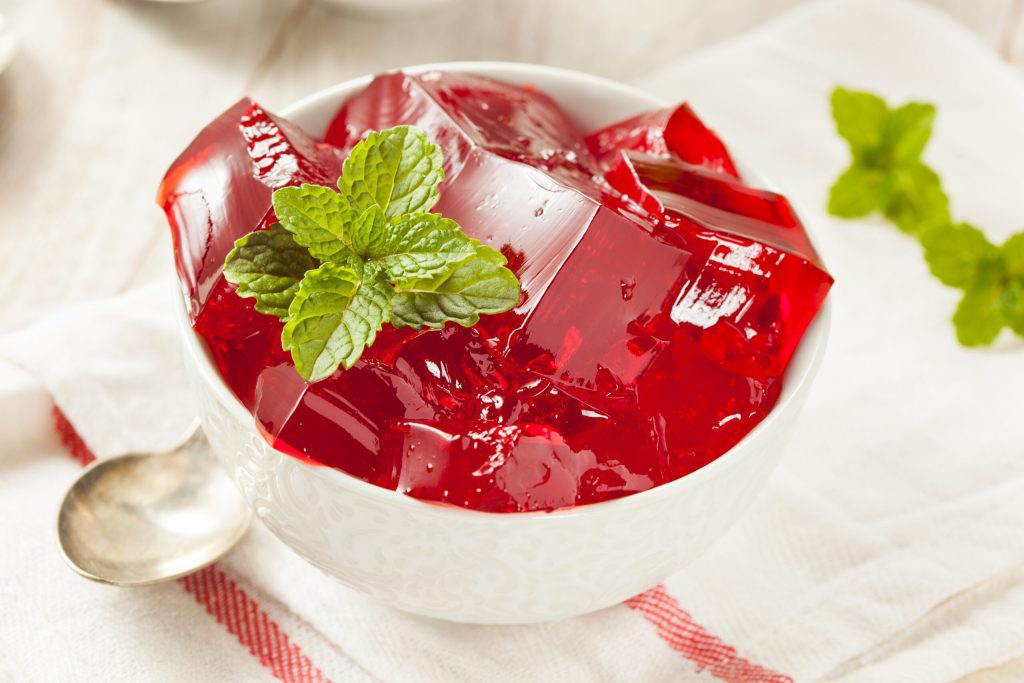
CONFECTIONARY
In the area of confectionery, there are many products that rely on gelatine in their manufacture.
Primarily, those products characterized by a clear, gum-like texture are meant. The most well-known application in confectionery is that of gummy bears, one of the most popular candies worldwide. The ability of gelatine to form foamed textures is less well-known; however, many foamed candies would simply not be possible without gelatine. The most well-known examples are marshmallows and chewy candies.
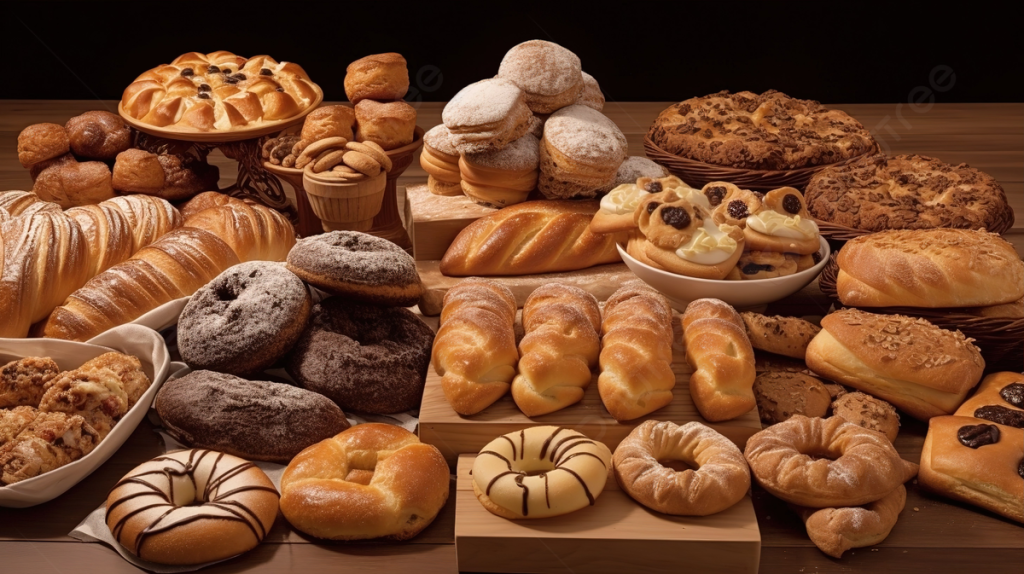
BAKERY PRODUCTS
In cakes and pastries, powder gelatin, leaf gelatin and instant gelatin are used for texturizing the fillings.
The gelatine not only helps to improve the stability and slice ability of the whipped fillings – it also helps to create an excellent creamy mouth feeling. In conjunction with gelatine, appetizing and decorative glazes can be created, e.g. for donuts.
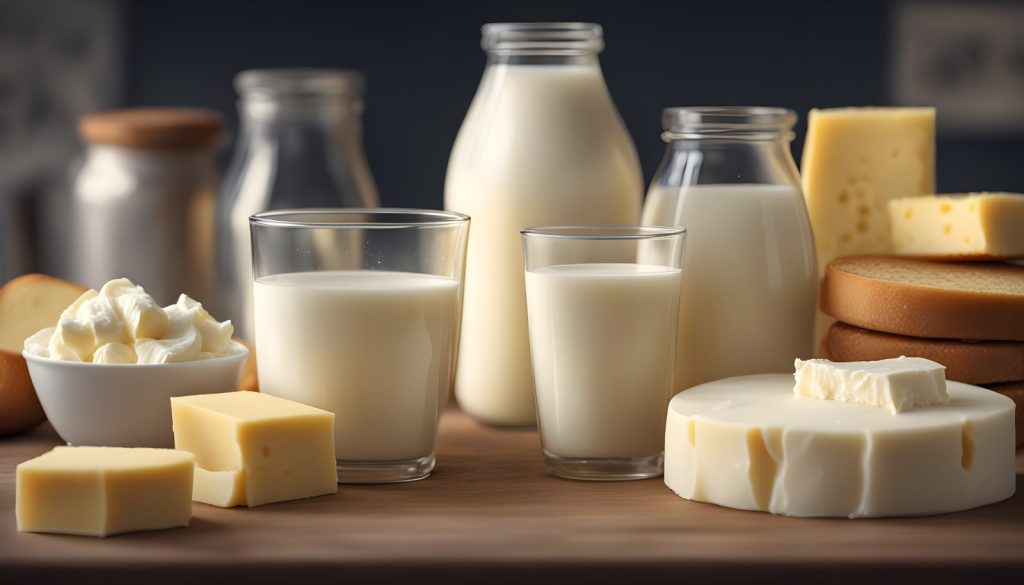
DAIRY PRODUCT & DESSERTS
In dairy products, Gelatine helps to achieve optimal texture. Numerous product properties can be controlled by the type and amount of Gelatine used.
In yogurts, for example, the gelatine acts as a protective colloid, thus preventing syneresis; at the same time, the consistency can be varied from creamy to firm. Creams and toppings can be stabilized, thus maintaining their sharp contours. And sour cream retains its spread ability and good melting properties when made with gelatine. Gelatine’s ability to bind water, in conjunction with its emulsifying and stabilizing properties, enables low-fat dairy products such as semi-fat butter to be produced.